
Sources for Previous Residents of a San Carlos Address
House history needs layers because title and occupancy are different stories. The deed chain supplies owners and instruments. Directories and census schedules supply dated household clues. Permits can show when a project changed a structure and which participant signed a role. Obituaries and probate can explain a death, heir, or transfer. The table keeps the San Carlos previous residents trail tied to a source and its known access boundary.
| Source | Years It Covers | Where Held | What It Shows |
|---|---|---|---|
| Recorder name index | 1985-present online | ACRE RecorderWorks | Parties, instrument type, recording date, number |
| Earlier deeds and maps | Exact first year unconfirmed | Recorder counter and copy desk | Chain of title and legal description |
| Polk directories | 1941-42, 1950, 1953, 1954 verified | SMCHA and digitized 1953 volume | Listed people, occupations, addresses |
| Federal census | Through 1950 public | NARA, FamilySearch, library databases | Decennial household snapshots |
| City permits | Coverage not published | EnerGov or City Hall request | Project address and named participants |
| Obituary and probate trail | Date-specific | HeritageHub, newspapers, MIDX/Odyssey | Death, relationships, heirs, transfer leads |
The table does not claim a complete local directory or Sanborn run. It gives a practical sequence for a defined address and leaves unverified years marked as such.
Start with the San Carlos APN
A street number can be remembered wrong, shortened, or changed. The APN is usually a better first key for San Carlos previous residents because it connects a parcel map to a legal description and recorded instruments. Use County Property Maps by address or nine-digit APN, then save the highlighted parcel, assessor map, and available recorded-map links. The legal description often survives a postal or street-label change better than the mailing line.
Ask the Assessor about the current owner channel for the specified APN. The accessible online property tools did not verify a current owner-name web search, so do not promise that a map click will reveal a person. Use the map for geometry and the custodian for identity.
Neighboring parcels can be useful when a historic house sat on a larger tract. Record each APN separately. A subdivision or parcel map can show how one tract became several addresses, which prevents a modern street search from being forced onto an older legal description.
The ACRE grantor-grantee guidance gives the parcel map its first handoff in a previous residents trail.
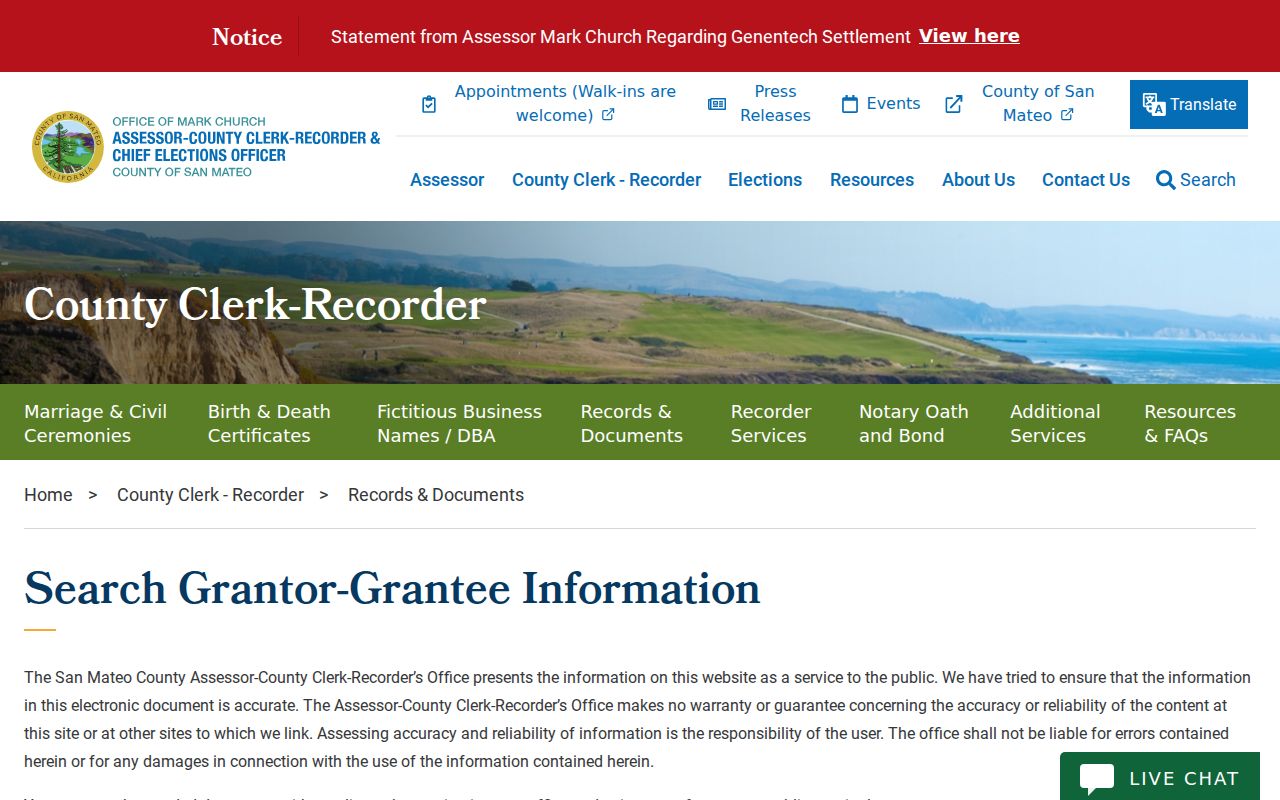
The screenshot points toward the map-to-index workflow. It does not turn an APN into a complete occupant record.
Walk the San Mateo Deed Chain Backward
The Recorder's grantor-grantee guidance explains why previous residents research is a backward name chain. RecorderWorks indexes property documents from 1985 to the present. It does not search by street address and omits document images online. Use the likely current owner as a grantee, find the acquisition instrument, then search the grantor as the prior grantee.
- Normalize the address, locate the parcel, and record the APN and legal description.
- Confirm the correct owner inquiry channel with the Assessor.
- Search the acquisition party as grantee and save document number, date, type, and page count.
- Search the seller as grantee and compare the APN or legal description.
- Repeat until the online name-index boundary, then use counter indexes or ordered copies.
- Layer the dated owner changes with directories, census, permits, obituaries, or probate.
- Grantor
- The party transferring an interest in a recorded instrument.
- Grantee
- The party receiving an interest in that instrument.
- Chain of title
- A linked sequence of recorded transfers for one parcel.
- Legal description
- The recorded land description that identifies the parcel beyond a postal address.
The RecorderWorks index is free for metadata. An image or certified copy comes from the Recorder through the counter or copy request.
Cross the 1985 San Carlos Recorder Boundary
1985 is an online access boundary, not the beginning of San Carlos deeds. Earlier instruments require public counter indexes, books, or a defined mail request. A Recorder copy request should identify grantor, grantee, document type, recording date, and recording number when available. Include payment and a self-addressed stamped envelope. ACRE lists $5 for the first page, $1 for later pages, and $5 for certification or a seal. Confirm the current amount before mailing.
Recorder help mentions a legacy pre-1982 document-number quirk. Treat that as a retrieval detail, not proof of complete name coverage before 1985. If the address is old, keep the parcel's legal description in the request so a changed street label does not break the chain.
The recorded-document copy page shows the counter, mail, and image-access fallback. ACRE's recording-fees page is the current check before payment.
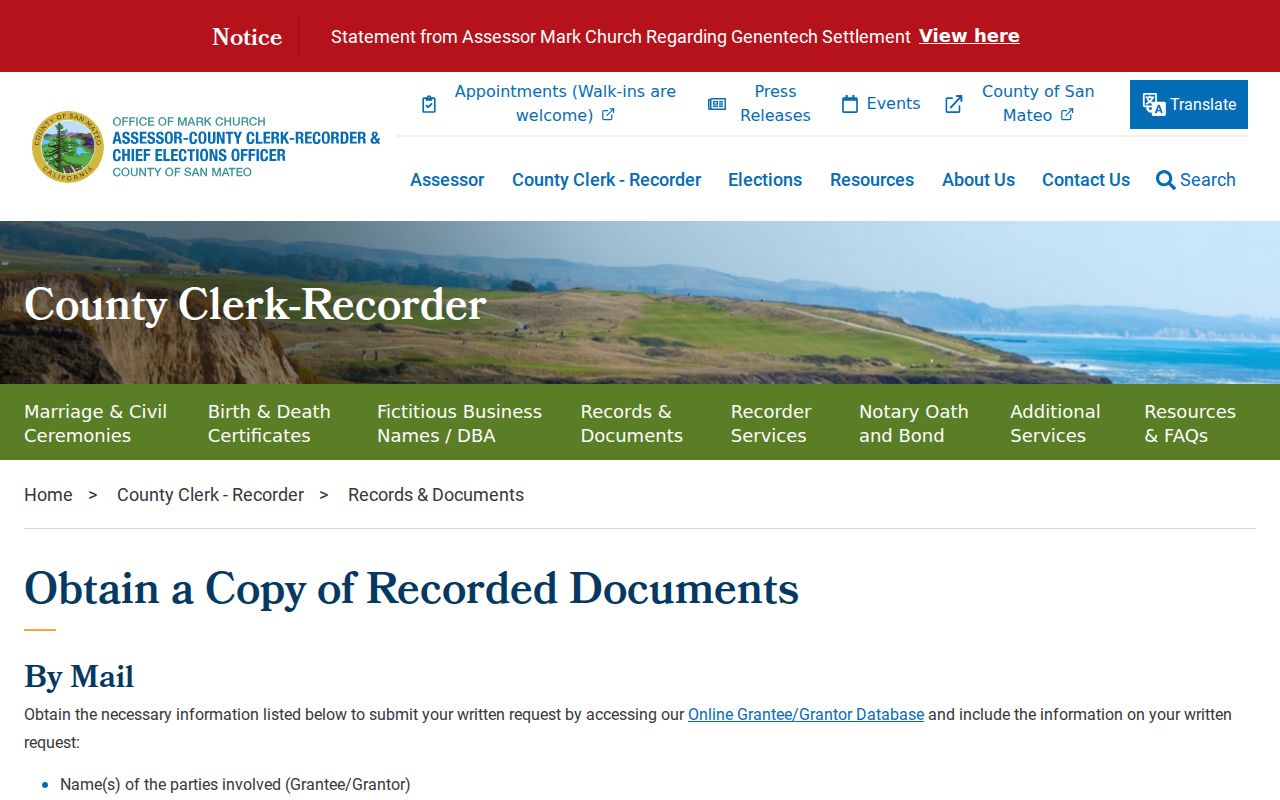
When online metadata ends, a defined copy request is the next channel. Recorder staff does not perform title research or legal advice.
Layer San Carlos Permits onto Ownership Changes
The San Carlos EnerGov portal can add project timing and named participants to a previous residents search. Its dynamic form did not expose stable current fields or a historical cutoff during inspection. City Hall can route a defined address or project request. A permit may identify the owner, applicant, contact, architect, engineer, designer, contractor, agent, lender, license number, and signature date.
Those roles are evidence about work at a site. They do not establish who lived there. A permit filed near a deed transfer can explain an addition, remodel, or change, but the project participant may be an agent or professional. Preserve that distinction in notes.
City records are separate from county title records. Send municipal questions to the City of San Carlos contacts page, and use the California Public Records Act for an identifiable existing record when it is not posted.
Pair San Carlos Directory Years with Census
The verified Polk years are 1941-42, 1950, 1953, and 1954. The digitized 1953 volume contains a San Carlos alphabetical section. Its entries can show a name, spouse, occupation, employer, residence marker, and address. Pair one entry with the closest census rather than treating the directory as a full household register. NARA's 72-year rule makes 1950 the latest public federal name-level census.
- Choose a directory year and capture the full entry, page, abbreviation, and street line.
- Check the matching 1950 census household, allowing for age, surname, and street changes.
- Compare an earlier or later Polk year for continuity or disappearance.
- Use a newspaper, obituary, deed, or probate record to explain a move or death.
The collection itself is described in the San Carlos city directory book reference. For remote genealogy, SMCL offers HeritageHub for obituaries and HeritageQuest for census material; branch-only Ancestry access ended remotely.
A directory gap can reflect a missing volume, an unlisted name, a changed address, or a spelling variant. It does not prove that a person was absent.
Use Probate and Obituaries as Endpoints
Obituaries and probate often close a previous residents trail. HeritageHub and local newspaper archives can supply dates, relatives, former addresses, and service details. MIDX can locate a probate case, and Odyssey can show the public register and permitted documents. Compare the relationship and address clues with deeds instead of assuming an obituary household owned the property.
For an heir, record the public pleading, case number, filing date, and relationship language. For a deceased owner, search the grantor-grantee chain after the death date to see whether a later instrument names an estate, trust, or successor. Vital copies may corroborate a death event, but eligibility and identity rules differ by copy type.
FamilySearch's San Mateo County collection from 1851 to 1991 includes browsable images of deeds, naturalizations, marriage intentions, patents, homesteads, and military discharges. It can bridge older dates, but many items are browse-only. The county Recorder remains the source for a certified current instrument.
Legal Descriptions Survive San Carlos Address Changes
Street labels and numbers can change as land is subdivided or a route is described differently. A legal description, APN, map book and page, or recorded-map volume and page is more durable. Property Maps accepts book and page or volume and page paths. Use those fields when the remembered street name returns no result.
No authoritative San Carlos street-renumbering date or numbering-grid rule was found. Do not invent one. Ask Planning, Public Works, the Library, or the Historical Association about a specific old address and year. A dated directory or newspaper can then be compared with the parcel history.
The California State Archives is an additional lead for older state and county administrative material when local web coverage ends. It is a catalog route, not a guarantee that an individual deed is held there.
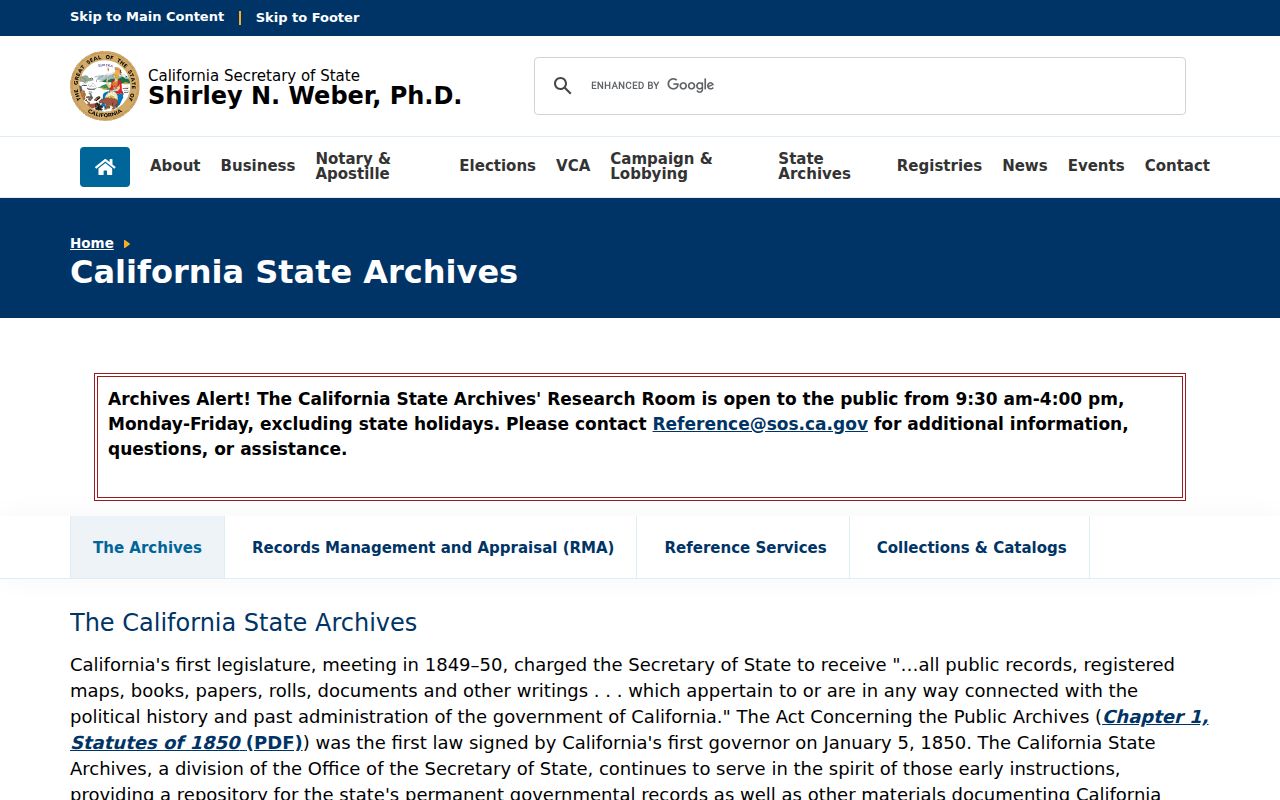
Archive material can explain the era or jurisdiction around an address. The legal instrument still comes from the custodian that recorded it.
Past Households in San Carlos Records
Owners are only one layer of previous residents. Directory entries, census households, newspapers, yearbooks, and obituaries can show a person who never appears as a deed party. The 1953 Polk sample uses spouse and residence markers, but it does not verify an owner or every member of the home. The Historical Association and Library are the right places to ask for a local reverse run or yearbook.
House-history boundary. Previous resident research is appropriate for family history, estate work, and understanding a property. Do not use a past address to track, harass, or harm a living person.
When the goal is a current street chain, use the map and deed workflow in the San Carlos street directory reference. When the goal is a dated household, keep the directory year and census year visible. A clean research note can say “listed at this address in 1953” without claiming continuous residence.
Known San Carlos Coverage and Honest Gaps
The record trail is strong in mechanics and uneven in dates. RecorderWorks supplies online name-indexed property metadata from 1985 forward. The exact first earlier deed-book year is not confirmed. EnerGov's permit coverage is not published. The local Sanborn sheet run, complete reverse-directory run, and full city-directory shelf range still require staff confirmation.
That uncertainty is useful when stated plainly. A researcher can request a defined record, document the office's answer, and update the house history without filling gaps with a commercial compilation. Keep the APN, document number, page, directory year, census geography, and source URL in the same notes.
Previous residents are found through a chain of dated clues. The chain is strongest when each clue says what it proves and what it does not.