
What a San Carlos Resident Lookup Covers
A San Carlos resident lookup works best when you pick the record first. Ask what you actually need. Case history, parcel ownership, a vital event, a business affiliation, a credential, an unclaimed asset, or a personal voter check each calls for a different source. Go with the narrow one. A null result still deserves context. Confidentiality, indexing gaps, and date limits can hide a record that exists.
| Record | What It Confirms | Where | Access |
|---|---|---|---|
| Property or deed | Legal ownership and recorded party leads | ACRE Assessor / Recorder | Map search; index from 1985 |
| Court index | Party name, role, case chronology | MIDX and Odyssey | Free; confidential classes absent |
| Vital record | Birth, death, marriage, or divorce event | County, CDPH, or court | Informational and authorized rules |
| Voter self-check | Requester's status, party, precinct, districts | San Mateo Elections | House, ZIP, birth date |
| Business filing | Entity, agent, status, filing address | Secretary of State / Clerk | Free search; affiliation only |
| Professional license | License number, status, issue or discipline | California DCA or board | Free; board-specific redactions |
| Unclaimed property | Name, city, property lead | State Controller | Free; not residence proof |
Pick the row that matches the evidence. A parcel owner may not live on the site. A business agent may list a service address instead. An informational certificate is not an unrestricted identity document, and a court index is not the same as the full case file.
MIDX First, Odyssey Second in San Carlos
Start a name-first San Carlos resident lookup with MIDX at San Mateo Superior Court. The free index spans appeals, civil, criminal, family, probate, and small claims, searchable by case number, person name, business name, or filing date. Name fields require a minimum length. An asterisk wildcard catches partial variants. The date window cannot run longer than five calendar days. Record the MIDX case number and party role. Then open the Odyssey Public Portal. The portal is the discovery step in the court workflow. It supplies a register of actions. Selected remote documents appear for permitted classes. Adoption, juvenile, paternity, and mental-health cases stay off the remote view, family documents are blocked, and event codes converted from 2000 to 2016 may not map onto the modern display.
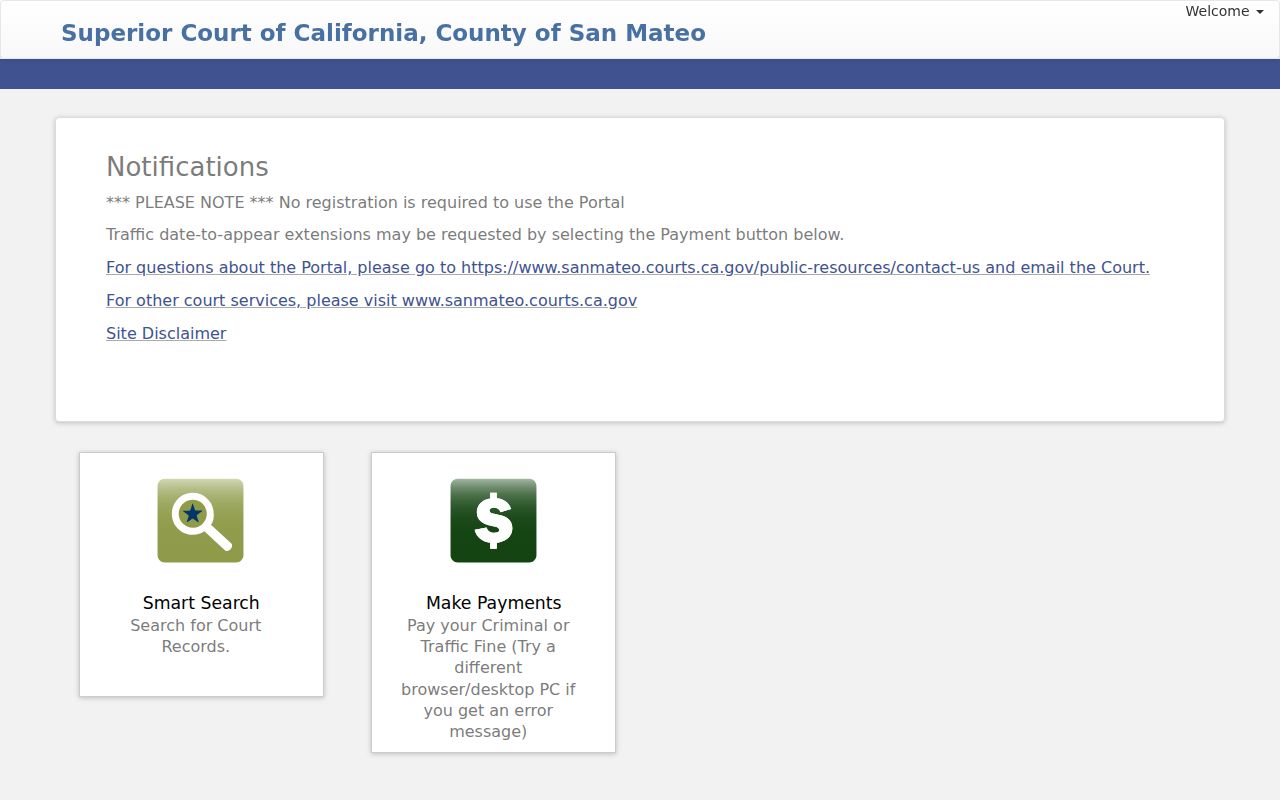
The Odyssey view adds another layer of register data. A missing document may just mean confidentiality. For copies, go to the Records Management counter at 400 County Center, first floor, Room A, in Redwood City. Mail requests work too. Include the case number, parties, an approximate filing date or document description, a self-addressed stamped envelope, and a court check marked “Not to exceed.” The court publishes its fees. Copies, certification, comparison, search, and off-site retrieval each carry one. Confirm a conflicting certification amount with the clerk. Federal cases take a separate route through PACER for the Northern District of California, a system that is not a San Mateo Superior Court index and follows separate fee and access rules.
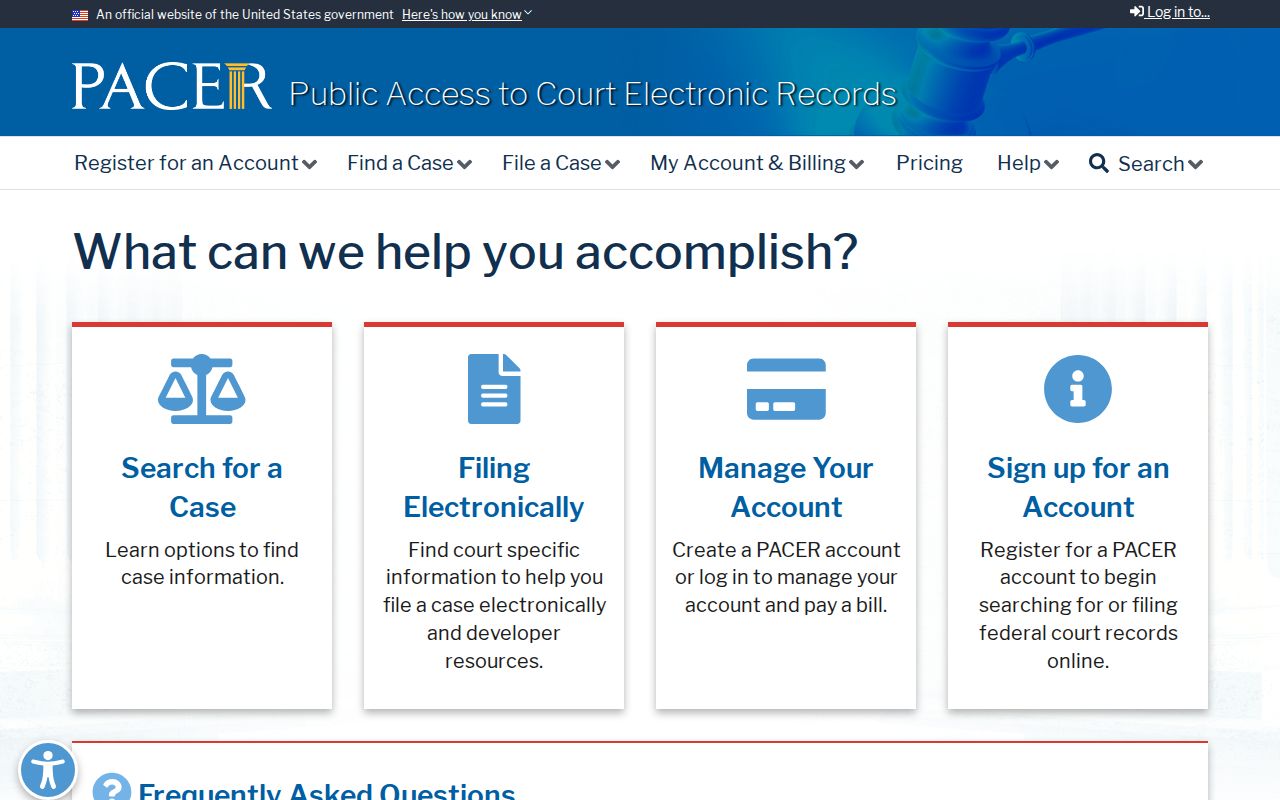
Keep federal and state case numbers on separate trails.
Resolve Wildcards and Same-Name Collisions
A name is only a starting key in any San Carlos residents directory search. It is not an identity on its own. MIDX accepts wildcard queries. RecorderWorks wants a surname-first format with a fractional given name. Each system shapes the search differently. Hang on to middle initials and spelling variants. Keep married names, indexed roles, and the date attached to every result. Then compare the numbers that actually anchor a record. These include case numbers, APNs, document numbers, entity numbers, license numbers, and the parties listed alongside them. Never merge two records just because the names look alike.
A short sample-result inventory makes the check concrete:
- MIDX: case number, party type, indexed case or party name, filing date, and source.
- Odyssey: case caption or number, parties, register events, hearings, and public disposition or offense data where shown.
- RecorderWorks: indexed party and role, document type, recording date, document number, and page count.
- DCA or bizfile: license or entity number, status, jurisdiction, agent or address fields where displayed.
The safest bridge across systems is a stable number. When none exists, insist that dates, addresses in permitted records, associated people, and the record's stated role all agree before you treat two entries as one resident.
Verifying a San Carlos Resident's Records
Verification means showing why two records likely describe the same person. It also means showing why the conclusion still has limits. A San Carlos resident lookup can start from a known name. It can also start from a suspected address, a business entity, or a historical household. Bring in an independent source for the second check. Do not lean on the same index twice. For an address, begin with the parcel and its APN. For a name, begin with MIDX. For a family event, start with the county or state vital records route. That office holds the record itself.
- Write the exact name, all known initials, date range, and reason for the search.
- Anchor the name to an address, case number, APN, entity number, or license number.
- Search the second official index and compare role, date, parties, and geographic clue.
- Separate an index from an image and a public event record from an authorized copy.
- Ask the custodian for the record or correction route when proof is necessary.
- Docket
- The court's index of a case, its parties, filings, and events.
- Index versus image
- An index supplies searchable metadata; an image is the underlying page when access permits.
- Certified copy
- A copy issued or certified by the custodian, subject to eligibility and record-specific rules.
- Party role
- The relationship shown in a record, such as plaintiff, defendant, grantee, or agent.
The definitions prevent a free result from being mistaken for a complete proof packet.
Confirm Your Own San Carlos Voter Registration
San Mateo County runs a My Election Info tool. It lets a San Carlos resident confirm personal registration. Enter your house number, ZIP Code, and birth date. A match returns registration status, party, precinct, districts, election details, and sample-ballot status. No name field exists. The tool cannot browse a San Carlos street address by address. Any resident lookup explanation should make that limit clear.
The full voter file is a different animal. County application forms request requester identification, organization details, stated purpose, geography, delivery method, certification, and a fee. Electronic files are priced at $125, and printed lists are billed per thousand. Elections Code sections 2188 and 2194, along with Government Code section 7924.000, restrict permitted uses. They also shield residence, phone, email, precinct, prior registration, and identifier fields from release.
The court Records Management capture explains a simple point. A private self-check never grows into a public names-by-street directory for San Carlos.
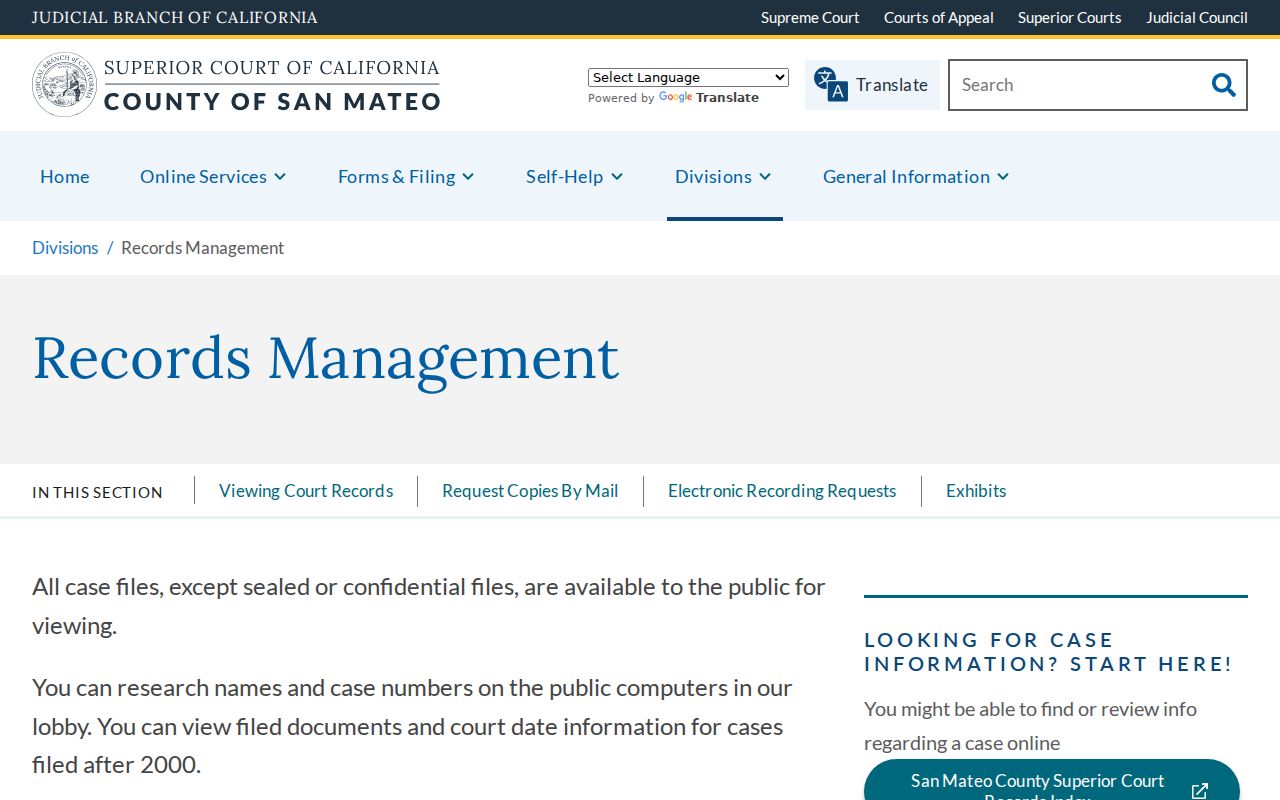
Treat a registration match as one corroborating signal, nothing more. A hit does not prove every person tied to the address still lives there, and a miss does not prove someone is gone from the San Carlos residents directory record set.
Informational San Carlos Vital Copies
Copy type sits at the heart of any San Carlos resident lookup. California splits vital records into two lanes. San Mateo County ACRE handles county-level birth, death, and marriage records. Meanwhile, CDPH keeps the statewide registrations and the Superior Court holds the actual divorce files. Health and Safety Code sections 103525 and 103526 draw the line. They separate authorized copies from informational ones. Confidential marriage certificates stay with spouses alone under Family Code section 508.
County birth requests move in person, by mail, or through VitalChek, never by phone. The county birth-certificate instructions lay out the route. Mail requests for authorized copies need a notarized sworn statement. Informational copies carry a marking and cannot establish identity. Signatures and Social Security numbers get redacted. Adopted birth certificates stay sealed without a court order. A no-record search still yields a Certificate of No Public Record. The fee stays in place under Health and Safety Code section 103650.
Fees differ by custodian. The county's 2026 fee page lists $34 for a county birth copy, $26 for death, and $19 for public marriage. The older birth PDF showed $32. The state fee schedule stands apart, so confirm the page matching whichever office you order from.
Match the application to the record type. An informational copy suits genealogy work, while an authorized copy follows the narrower identity rule.
Find an Heir in San Carlos Probate
Probate is a lawful family-history and estate lead once a deceased person, address, or heir is known. Search MIDX for the person's name and probate cases. Odyssey then opens the public register and permitted documents. The Records Management clerk can explain copy channels, though court staff will not run a broad relationship search. Compare public petitions, orders, and dates against recorded deeds and obituaries. Addresses often connect the two.
HeritageHub through SMCL reaches obituary and death-notice material from 1704 to the present, including original images where available. Newspapers and the Historical Association archive can add a family relationship or a former address. A death informational copy may corroborate the event. Access and identity use remain separate questions.
When an heir ties to a parcel, keep the APN and the legal description. Both identifiers matter later. A later deed can show a transfer, but it does not replace the probate file. Keep those three roles distinct. For historical household entries and the verified Polk years, the San Carlos city directory collections reference is the next stop.
Business and License Numbers in San Carlos
Business records sharpen a name search. California bizfile can return entity name, entity number, type, status, jurisdiction, agent, officers or managers, and addresses. Available filings can appear too. That is a lot of signal. A County Clerk fictitious business name filing can connect a trade name to a registrant. A filing address may be an office or service address.
DCA License Search accepts board or bureau, license type, license number, business name, first and last name, and registry number. Results depend on the board. Status, issue or expiry dates, an address where shown, and discipline can appear. A license confirms a credential, not a home. A business agent is not the proprietor.
Compare the entity number, formation or status date, agent, license number, and associated address. Matching names are common. If the numbers do not agree, keep the records separate even when the name matches. The California unclaimed-property search is a useful official name and city lead. Use it when a deed result is too broad.
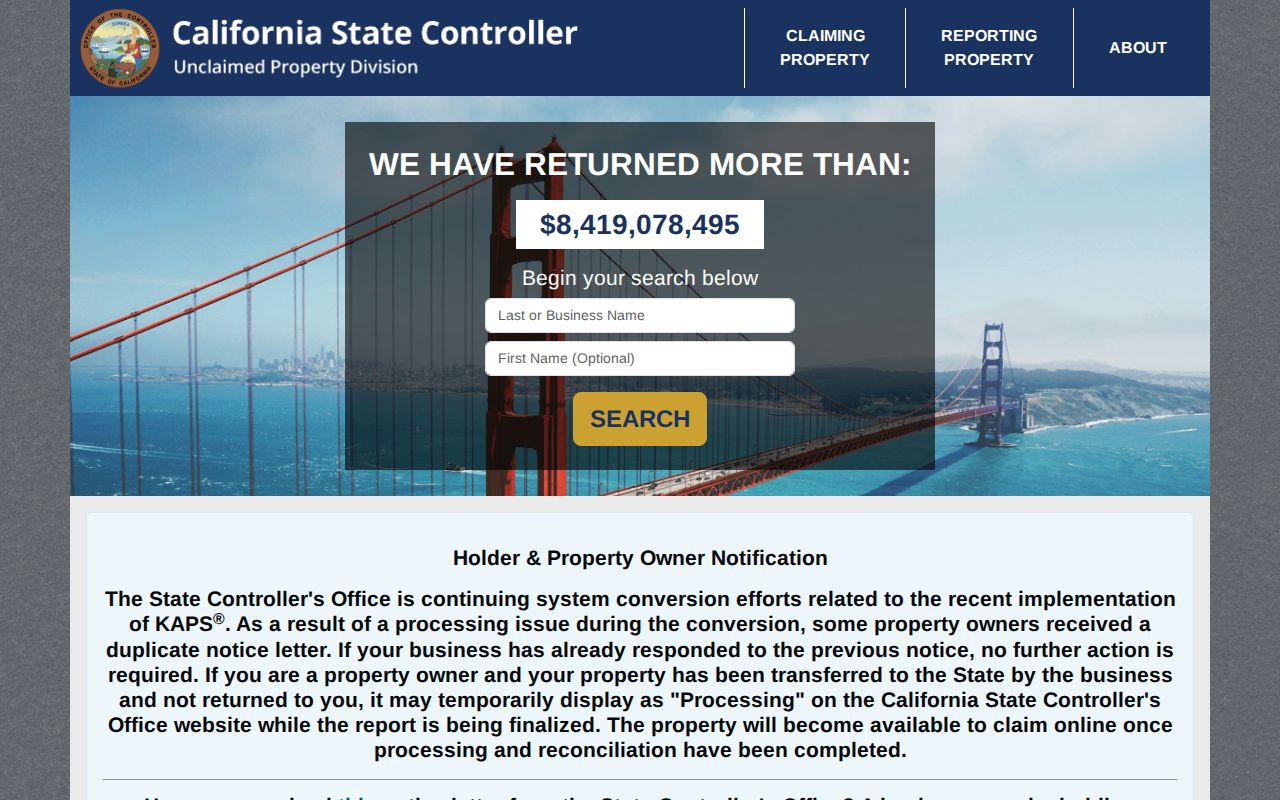
Unclaimed property signals an asset, not a San Carlos residence. Record the property ID, then stop at the source's stated purpose.
San Carlos Custody and Confidential Dead Ends
Some public searches stay intentionally narrow. The San Mateo Sheriff locator handles local custody. CDCR covers state custody, and the BOP locator covers federal inmates from 1982 onward. The local tool publishes no field list, so use the official page, its date, and its warning language.
Safe at Home gives qualifying survivors and threatened public workers a substitute mailing address and confidential voter registration under Government Code sections 6205 through 6216. The program rules explain the protection. Protected records may not surface in a normal San Carlos resident lookup. A missing result proves nothing.
California's new DROP platform opened January 1, 2026, letting one request reach registered data brokers. It targets commercial broker data. A government deed, court file, or voter record stays put. Correction or sealing belongs with the custodian. The Safe at Home governing-laws page frames confidentiality as a legal access condition rather than a search failure. That distinction matters.
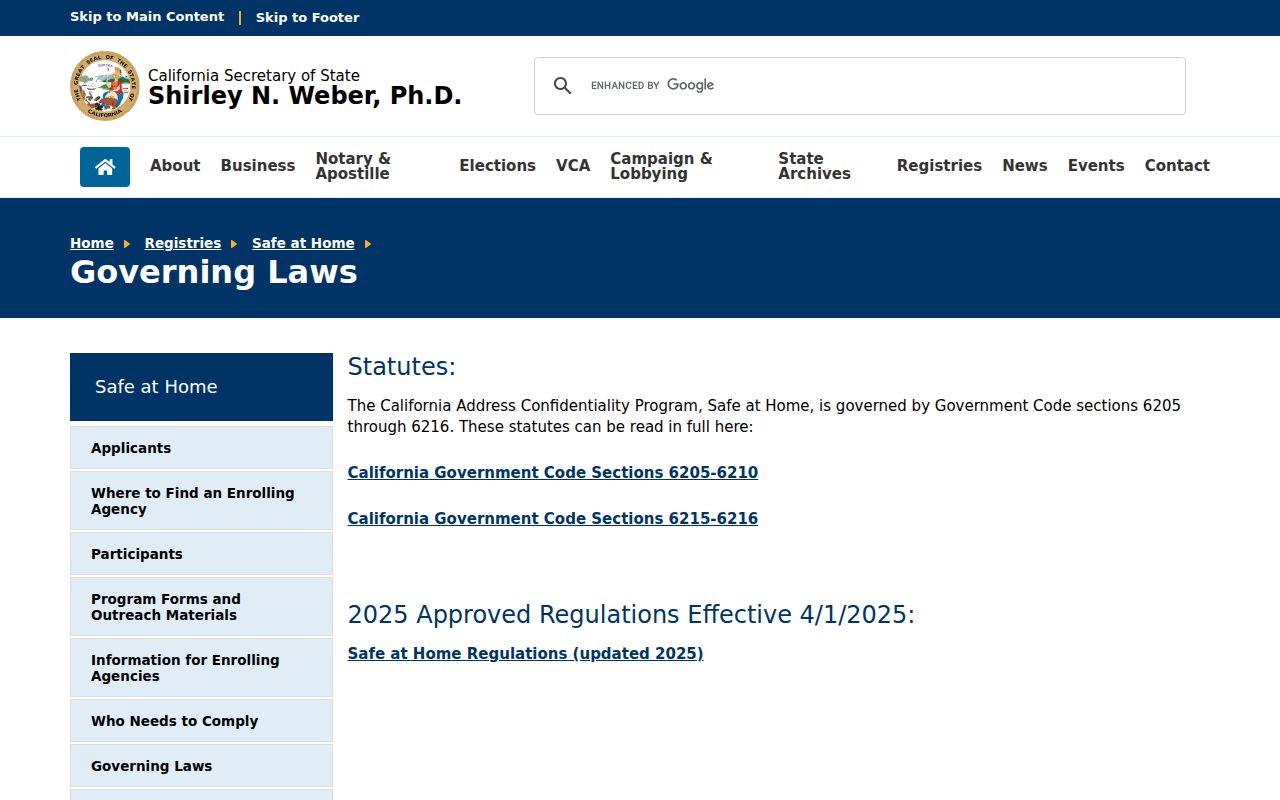
Keep protected people out of a public name trail. Follow the office's correction or confidentiality process instead. The Federal Bureau of Prisons locator is a separate custody lookup covering records from 1982 onward.
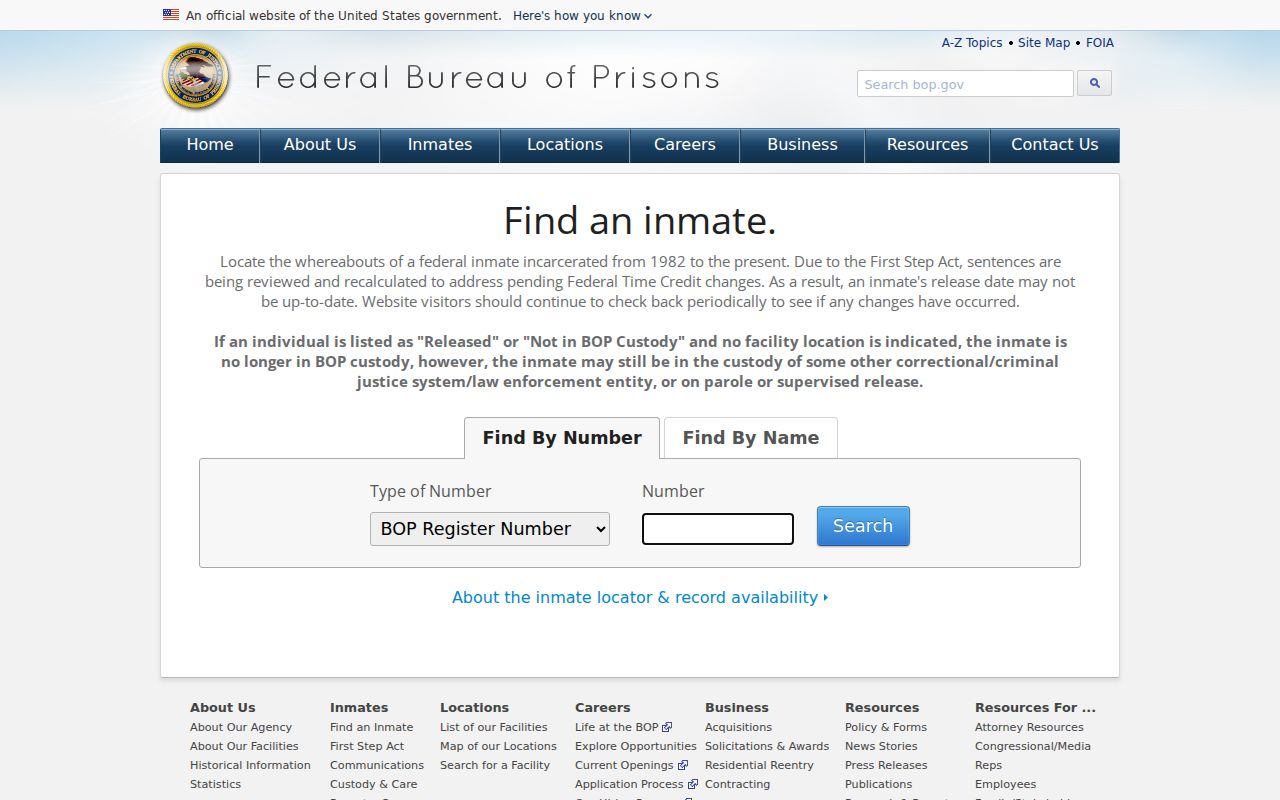
A federal custody result is not a San Mateo address record. Read it only within the locator's stated limits.
Legal Limits on a San Carlos Resident Lookup
A San Carlos resident lookup works best for lawful personal reasons. Genealogy, estate files, or a hunt for a long-lost classmate all fit. Checking your own official record counts too. Penal Code section 646.9 and Code of Civil Procedure section 527.6 both target stalking and civil harassment. So a lookup can never be a tool for either. The DPPA adds a wall around motor-vehicle personal information. CPRA can open a defined city record on request. But it bends nothing: vital records, voter files, sealed cases, adoption, juvenile, and Safe at Home protections all stand.
Lawful personal use. Use official records to verify a narrow fact and respect the person's privacy. Do not use a resident lookup to stalk, harass, intimidate, or harm anyone.
Wrong records get fixed at the desk that owns them. ACRE handles deed, assessment, and vital corrections. Elections sorts out registration errors. The court clerk takes case fixes, the DCA takes license ones. The Secretary of State handles entities. Whatever the route, bring screenshots, document numbers, and exact field descriptions. A precise challenge moves faster than a vague complaint. For street and parcel context, the San Carlos street directory route is the cleaner path. A resident lookup should end where it started. It answers one question rather than building a private dossier on a neighbor.